A fond farewell

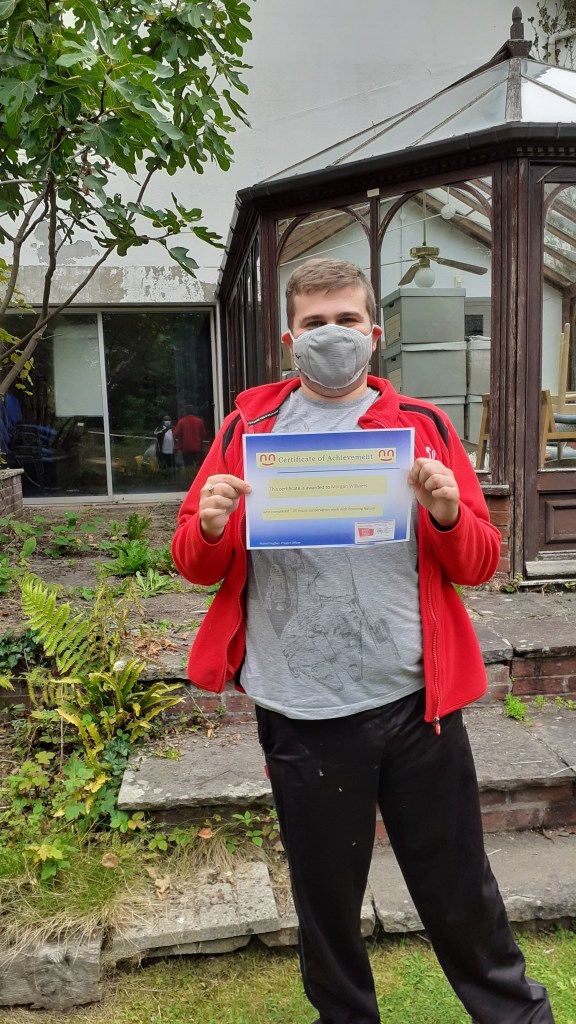
Receiving an achievement certificate

Boosting Nature started in January 2020


The Boosting Nature project supported adults with learning disabilities to increase their physical and mental wellbeing, as well as their knowledge and understanding of the natural world, by taking part in environmental conservation tasks and biodiversity-themed educational activities.
Almost 3 months into the project, on the 17th March 2020, we made the difficult decision to put all of our activities on hold due to the Covid-19 outbreak. This was a challenging time for the project – we had to think innovatively about how to continue delivering meaningful and educational activities from a distance, that beneficiaries could take part in from the safety of their homes.   The first initiative that we trialled was a nature photography competition whereby participants were encouraged to get outdoors and take photographs of their local flora and fauna. We paired this with a series of educational “Did You Know?” sheets which drew out biodiversity facts about the native plants and animals that had featured in the photographs. These were sent out to all who took part.  
Our next initiative was to encourage participants to take part in a sunflower and bean growing competition in their gardens. The aim of this being to teach participants about growing plants but also to make their gardens more pollinator friendly. Boosting Nature provided instructions, materials and educational fact sheets for participants to understand the benefits of their planting. This was an extremely successful activity which ended up attracting 39 new beneficiaries to the project.   We tapped into this appetite for garden-based activities and put together a series of informative leaflets showing how to build bug houses, compost bins, bird feeders out of recyclable plastic bottles and small garden ponds. Many have taken part in these activities and we have enjoyed seeing photos of our beneficiaries’ creations.  
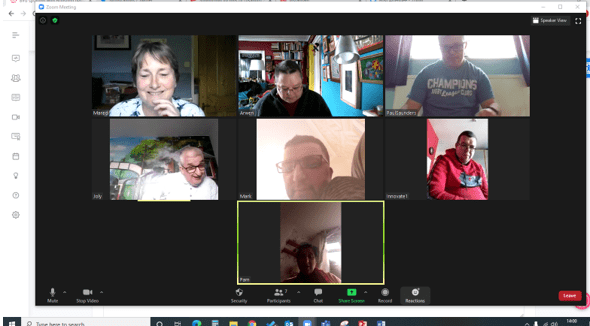
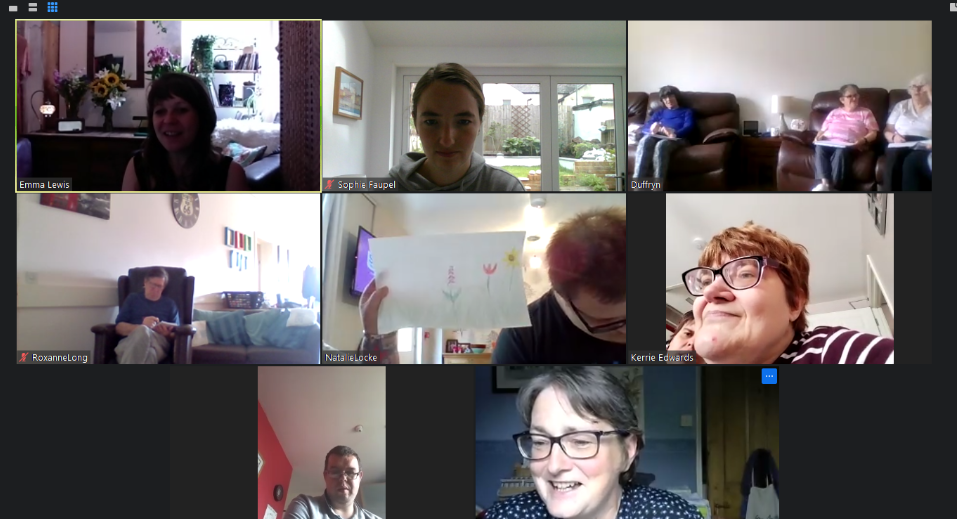
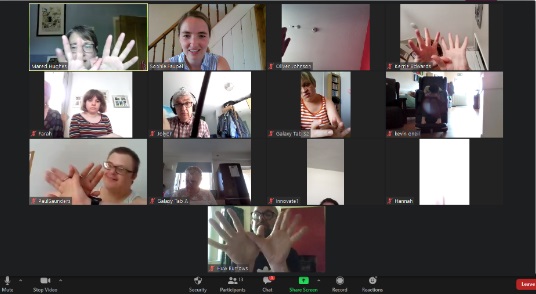
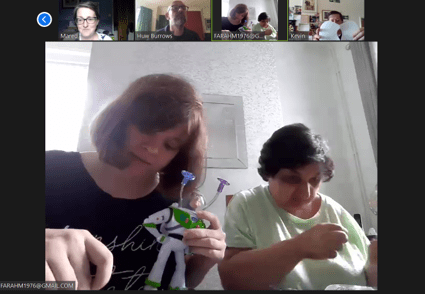
The next step for the project was to engage more directly with our beneficiaries and start delivering live sessions using Zoom. Since June 2020 we have put on weekly zoom sessions to learn more about biodiversity and native wildlife in a fun and engaging way.
A wonderful and unforeseen development is the fact that this new way of working has led to Boosting Nature being able to reach out and engage with those who had not been able to participate before.  For example, some individuals with more profound disabilities who would have struggled to join in our more active outdoor sessions have enjoyed taking part in Boosting Nature activities from their homes.   Although lockdown has been a challenging time for the project, it has allowed us to think creatively and engage with our beneficiaries in new ways.  We have managed to reach new individuals and teach them skills that they have been able to practice in their own gardens. Our digital activities have allowed us to continue with the all-important biodiversity education programme in a fun, new way.


Before we could resume our activities safely, we trained each individual on general and site specific Covid-safe working practices. The training given was accessible and interactive with lots of questions and discussions to ensure each participant understood what the changes were and why they were needed.  

One particular change that was made was that we ran shorter sessions to accommodate multiple, small participant groups and focused on two key sites to give participants stability whilst learning new rules. Gradually our Monday and Friday groups came back to some sort of new normal.  

What was clear is that all had missed each other and the physical conservation work.  

As it had been 15 months since they had last undertaken worked in teams, they had to overcome anxiety, follow new rules and behave professionally. We reintroduced them gradually to the work tasks and to the tools. Some had forgotten how to safely use the loppers, shears and saws in particular. A few also found the physical demands on their bodies surprising and that they were not able to get as much done as prior to lockdown. With support and encouragement from each other physical fitness has already improved, for some quite considerably.  

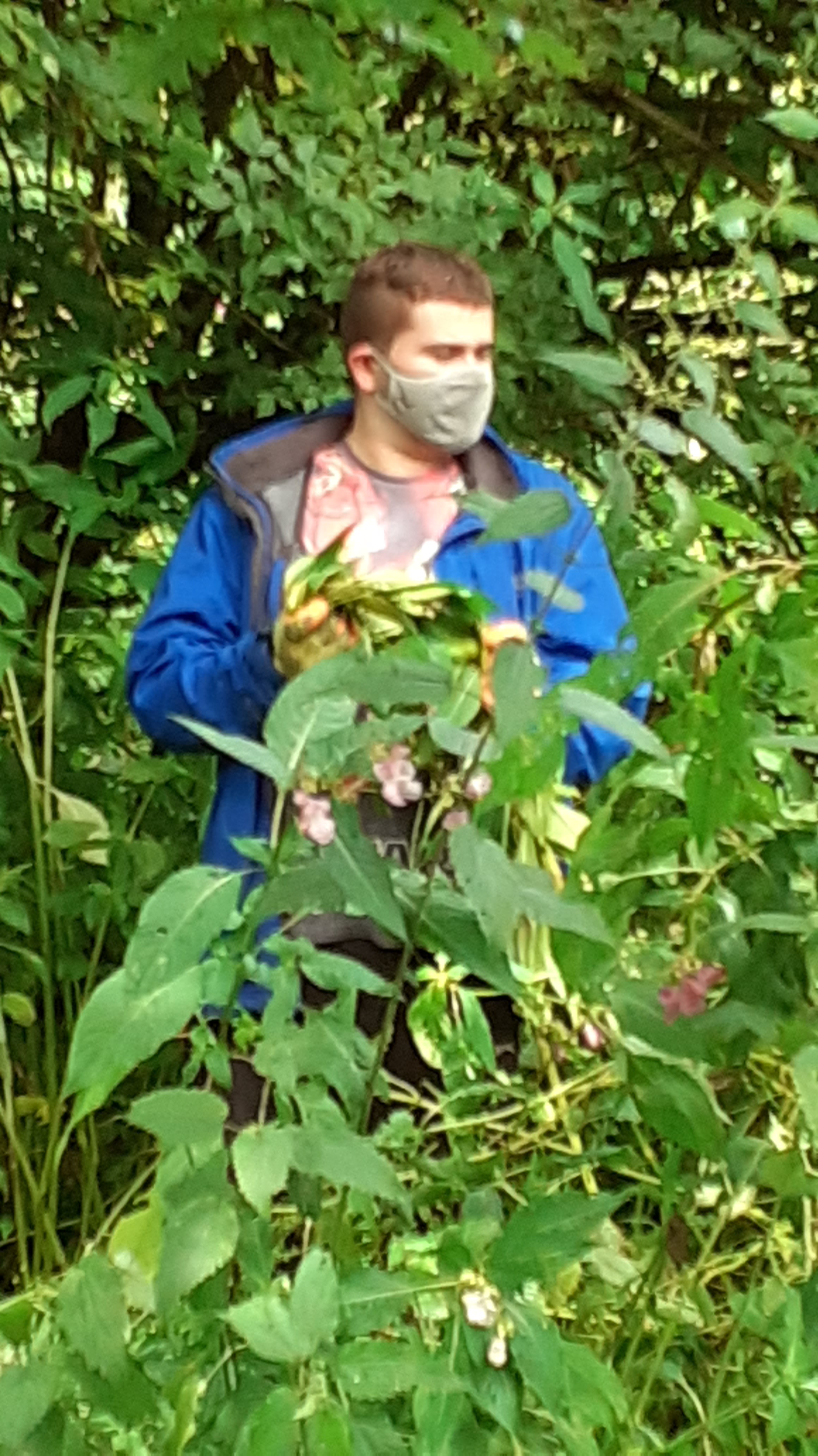
Most are now comfortable using the tools and have already undertaken a lot of cutting back overgrowth, building wildlife habitats and shown real tenacity in removing the Himalayan balsam in particular.  

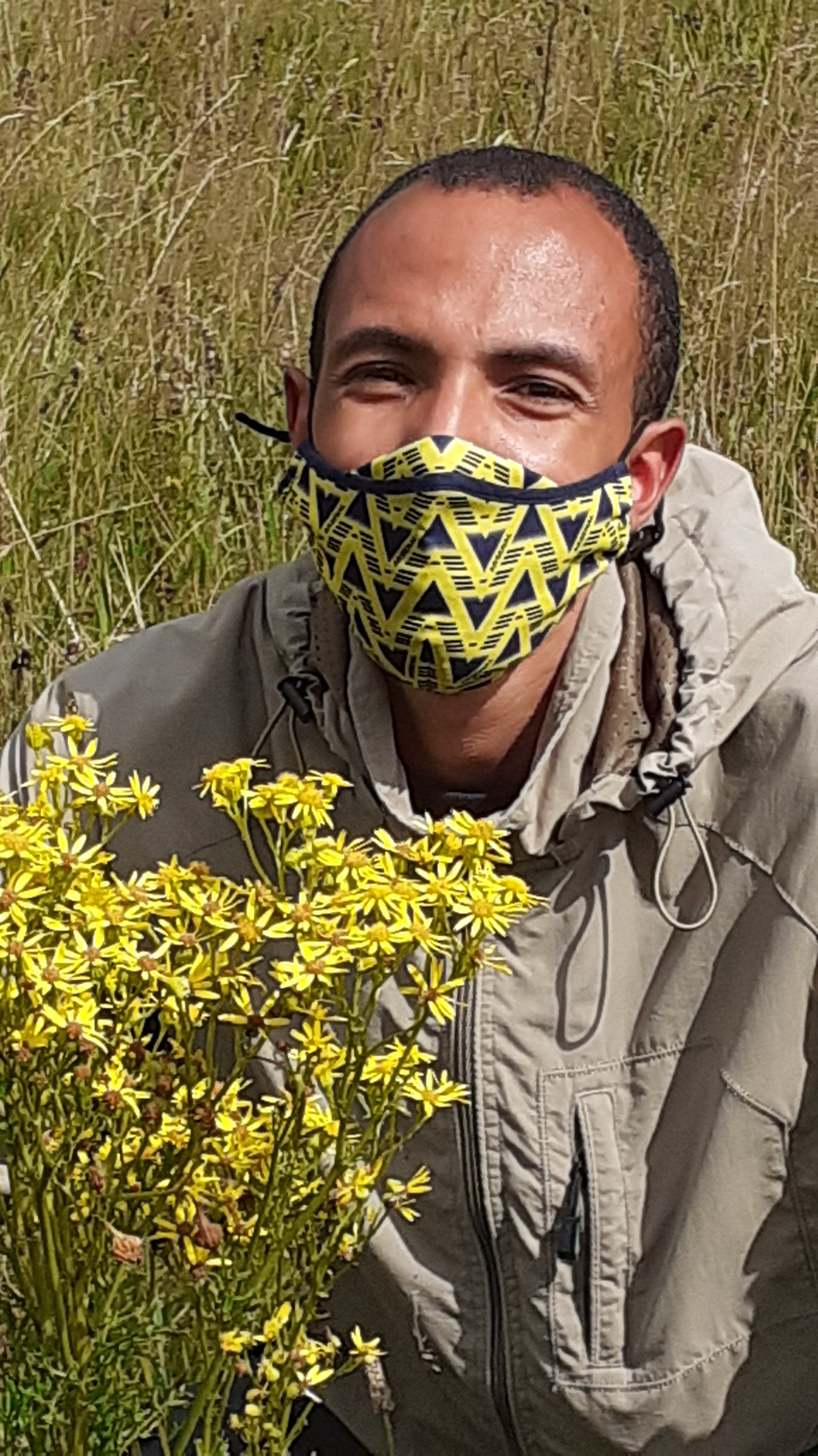
Being able to work alongside the Cardiff Community Park Rangers again has been a joy for so many. A number of the Rangers themselves had not been able to work during lockdown and so much overgrowth needed to be cut back and in particular invasive species such as Himalayan balsam, laurel, sycamore and ragwort needed to be removed. The groups have already commented that they can see the difference their work has done and this has brought a sense of pride and satisfaction.  

Many individuals with learning disabilities find a change to routine difficult. Prior to lockdown the Monday and Friday groups would travel together to sites. This isn’t possible at present, which has caused varying degrees of anxiety and apprehension. However, each individual was determined to overcome this so that they could continue the conservation work.  

Being able to start in person activities again was a relief and has brought great happiness to so many. 

Our in person participants even in the most difficult of times contributed a total of 795 hours. Hundred more hours were spent on our zoom sessions.

It has been a great delight working on this wonderful project. Our participants have provided a valuable contribution to their communities and through hard work and laughter they have helped each other through a difficult year. Thank you all.

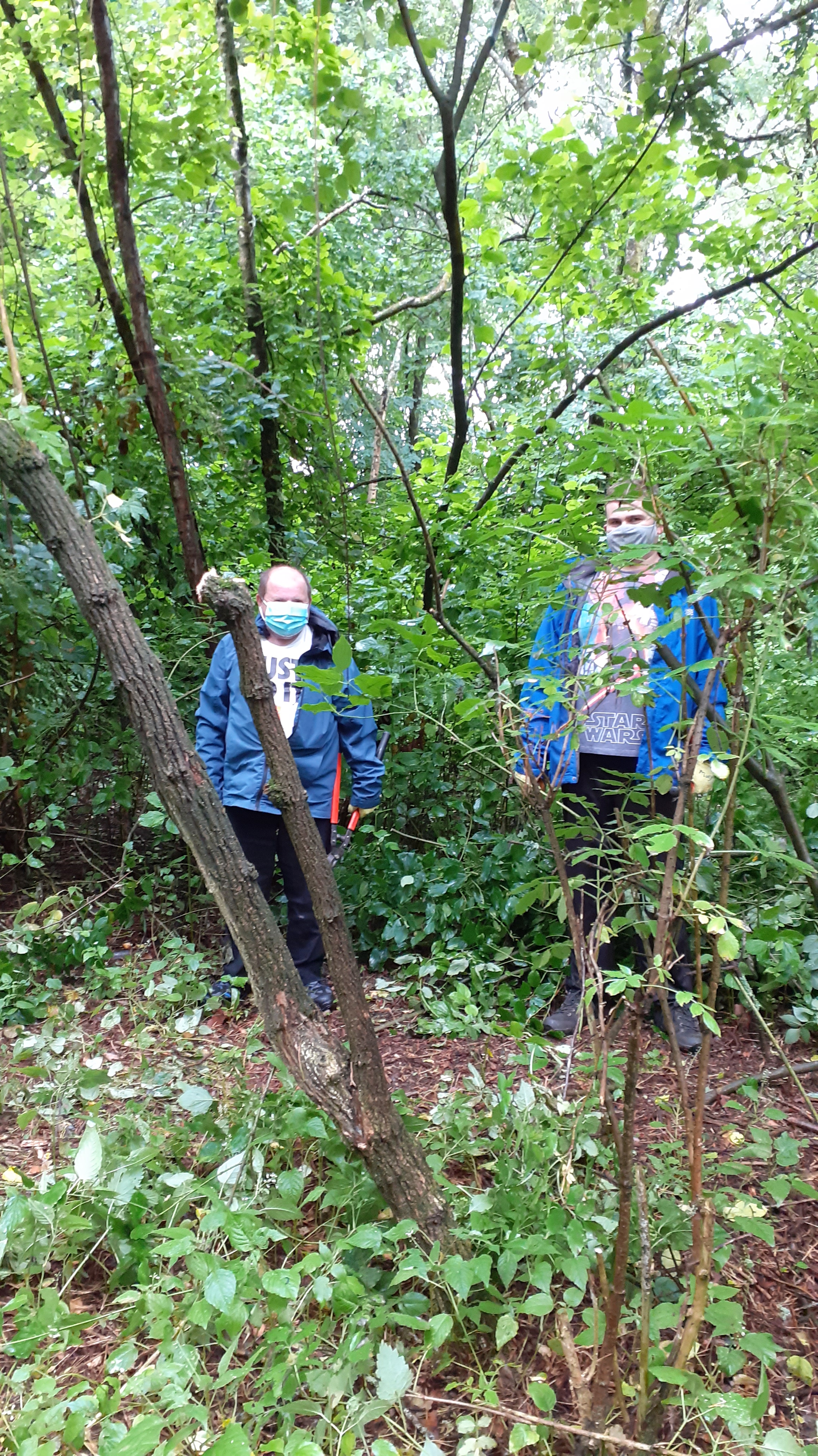
A welcome return

After despairing if we would ever get back to doing outdoor activities together I am pleased to say that we have been able to return to Ysgubor Fawr, St.Fagans and to Forest Farm. Not an easy task but after several on line and in person training on how to return safely in these difficult times we have managed it.

A particular thanks must go to our great supporters Cardiff Council Community Park Rangers and St Fagans, National Museum of History who have given of their time and kindly supplied us with some new tools.

It has been wonderful to see everybody turn their hands once more to clearing paths, clearing overgrowth and digging and generally being out in the open air. Most important of all enjoying each others’ company.

We haven’t yet been able to return to full capacity and we have had to split one group into two to make our work safer. Hopefully gradually we will be able to return to our normal patterns.

We have already been able to take part in the Big Butterfly Count which showed us what a difficult Spring the butterflies and moths encountered. After the count had finished we did typically see so many more butterflies and we were especially pleased at long last to see the common blue and the 6 spotted burnet.

We have also been able to help clear himalayan balsam at 2 Pond Field at Forest Farm which had been growing there for the past 2 summers. There is plenty more to get rid of.

We were also asked by the rangers to remove ragwort from the community meadow. The Rangers explained why we were doing this and why removing ragwort is controversial. We did keep the plants that still had caterpillars on them.

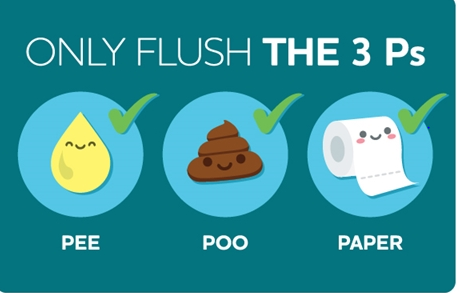
Our zoom sessions have continued and our debating group have had plenty to say about a variety of topics the most popular being “To flush or not to flush” , “Should we ban compost” and ” how does nature affect how we behave?”

Our participants also supported No Mow May some deciding to let their garden grow wild and enjoying the diversity of wildlife this brought to their doorstep.

Our sessions also reflected two campaigns being Mental Heath Awareness and Wales Nature Week. It was important for our participants to learn how connecting with nature can help our wellbeing and how during these difficult times we can bring nature to them through, for example showing a mindfulness short film we had taken called ” Unwinding at Cosmeston”.

One of the highlights of our zoom sessions has been a session created and presented by one of our participants on Foraging in South Wales. He had never put together a presentation before or researched the topic as thoroughly as he ended up doing. The session was a great success and one which has led to others wanting to present their own.

We look forward to working on new sites and to continue presenting our varied sessions on zoom.

Wildlife in our gardens

Thirty individuals or houses will be benefitting from wildlife kits that we are putting together to encourage wildlife into our gardens .Some have chosen ponds in different sizes including plants and oxygenators; some will be getting bird nest box kits and bug house kits. Others have chosen flower seeds to attract the pollinators and others will be getting sensory kits. All have been encouraged to take as many photos as possible so that we can see what different wildlife live in our communities. It will be very exciting to see who visits our gardens.

Last moth two of our regular participants created the Murder Mystery session , coming up with the story themselves, choosing photos and presenting the hour long session . They were fabulous and I wish again to thank them for their hard work and perseverance. A wonderful story that taught us so much about some of our native animals that had become extinct but are slowly being reintroduced into the countryside.

To celebrate St David’s Day last week we had a session about Blodeuwedd and the lady who was made from flowers. We discussed why the blossom of oak , broom and meadowsweet were used. We were also able to discuss owls and eagles in our countryside and why the Oak forms such an important part in Welsh Mythology . So successful in fact was the session that we have been asked to put on other similar sessions where we can explore Welsh mythology whilst at the same time learning some more about Nature.

We have also started a discussion group about nature and have so far discussed when is nature at its most beautiful; what would life be like without nature and what will nature be like in2121.

Next up will be mice and the different species we have in Wales and their important role in keeping other mammals alive and their importance to our woodlands. Followed by the reintroduction of native breeds to our farms.

Since the New Year we have had a further 14 join our zoom sessions bringing the total to 128 which is an amazing number.

We are hoping to be able in the near future to start about thinking about going outside again to help the Park Rangers . Something that our groups have missed very much.

We will however be continuing with our 2-3 weekly sessions on zoom which has brought many so much closer to Nature.

It’s the most wonderful time of the year.

It’s been a while since we last told you about our activities. Looking back today at what we have been doing since our last blog I realised how busy we have been and how varied our zoom sessions have been. From discussing nature and the effects of lockdown, talking about our unusual neighbours to taking a virtual walk amongst the trees. Much to keep us entertained for an hour or so each week.

 Over the last nine months our project has had to adapt to our new normal, unable to work as usual in our parks and nature reserves. What zoom has given is however is an opportunity to meet individuals whom we had not had the pleasure of working with before and an added delight of seeing individuals growing in confidence, developing different interests and making new friends.

Here’s what one said, “taking part in the Boosting Nature sessions has helped me keep calm and I can share jokes with my new friends which makes me laugh … it helps keeps my anger away.”

Another has readily passed on his knowledge and encouraged others to read or watch videos about Nature. In the past he attended sessions but tended to keep himself to himself. He now fully participates and has developed mentoring skills.

So, what have we been up to? Here’s a flavour.

The Cardiff and Vale University Health Board invited our participants to take part in their consultation about “Our Orchard”, a project to create a unique outdoor health care space in Llandough Hospital. Our views and ideas were particularly welcomed about the area which has been set aside for the protection of plants and wildlife. It is hoped that this particular area will be worked on in the near future and I am pleased that we have already been invited to take part in the planting.

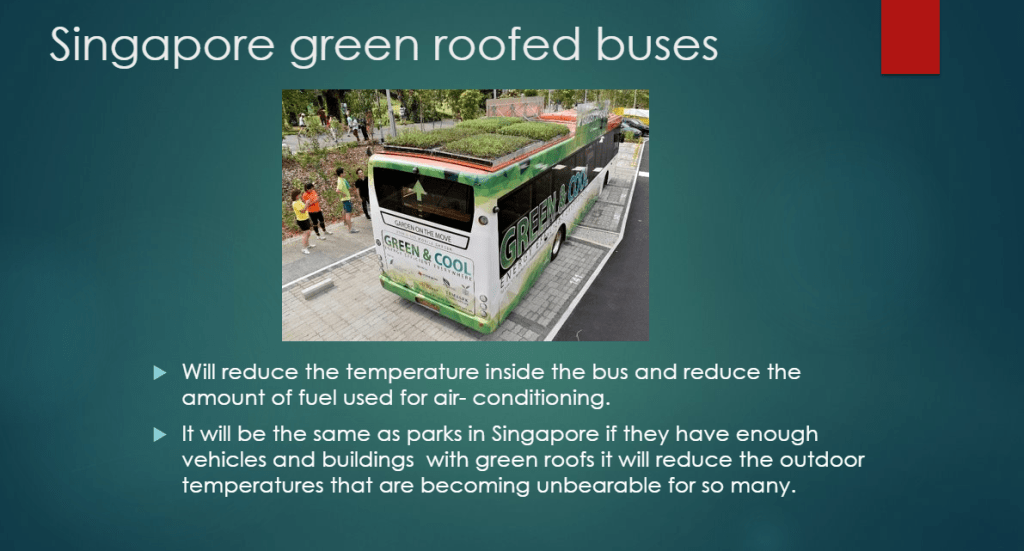
As a follow, up we held a zoom session to consider sustainable roofs, living roofs and how they can help with climate control and also provide shelter for birds, animals and pollinators. We looked into possible ways of creating more sustainable and cost- effective spaces in our own homes as well as in our towns and cities. The idea of having a green roof on our public transport excited many.

Our sessions on the urban fox and on dormice proved very popular. Many did not know much about dormice and had not seen photographs of them let alone videos of two particularly cute ones snoring away whilst hibernating! We learnt that this native species is in danger due mainly to the lack of natural habitat and climate change. Hedges rich in hawthorn and honeysuckle which have not been over managed give dormice greater protection and a better chance of survival. We looked in particular at the hard work undertaken at the Howardian Nature Reserve by volunteers over the past twelve years recording the number of dormice living in the Reserve. We also recalled when a few of us put up dormice nest boxes and tubes at Porthkerry Park.

Halloween and Christmas have given the chance to look at some of our old folk tales and why Nature plays an important part in so many.

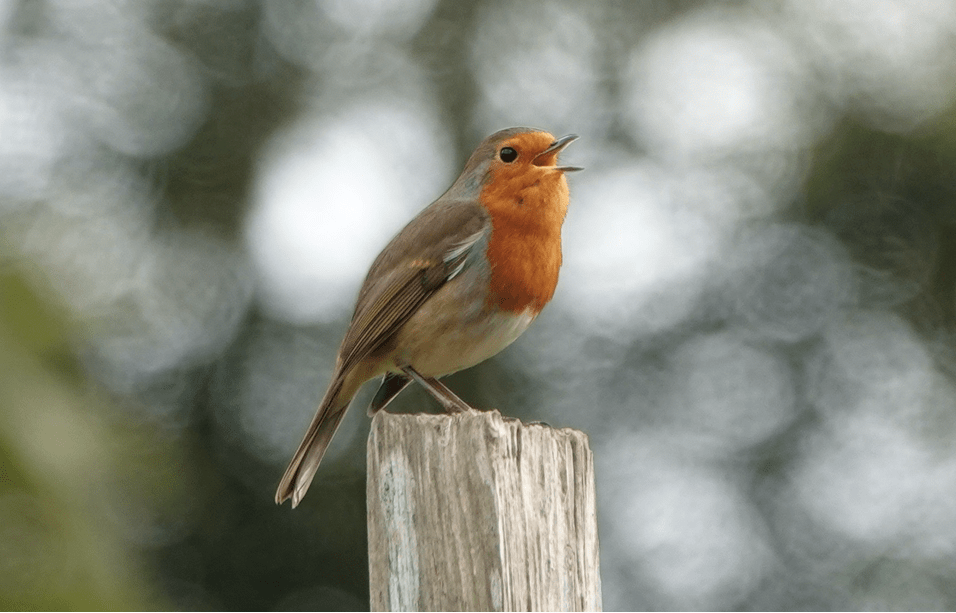
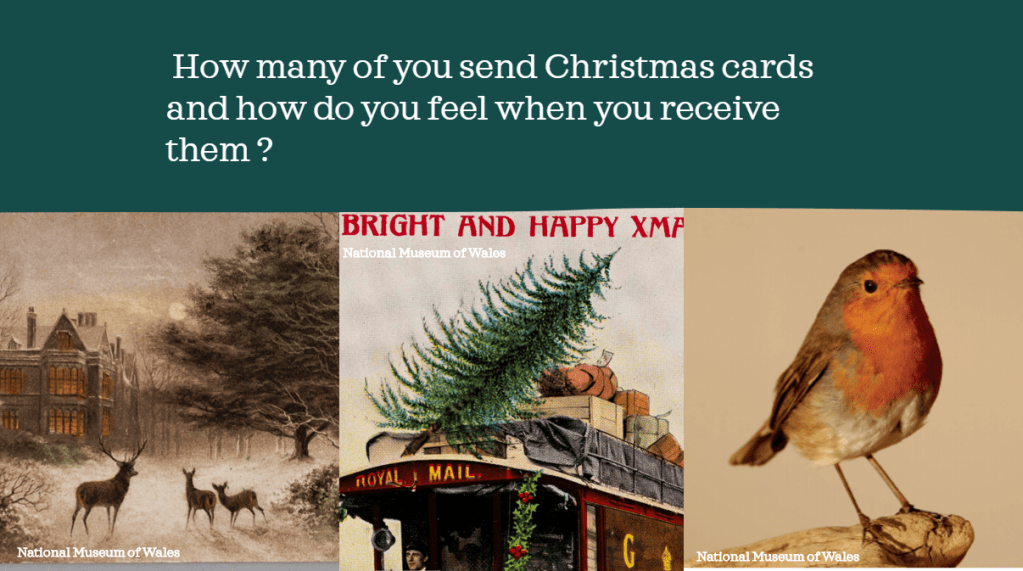
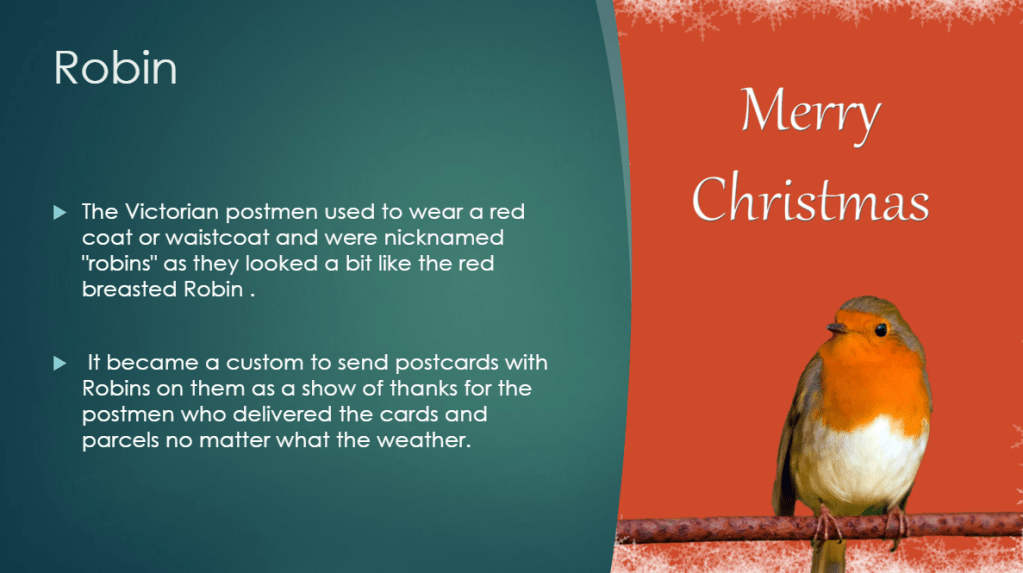
‘We have been able to tailor one of our zoom sessions around the National Museum Wales’ ‘Objects of Comfort’ initiative which seeks to improve the wellbeing of the community by providing access to their digitised collection. Christmases past and present have brought many of our participants comfort and reassurance. Much of what many find comforting around Christmas revolves around Nature. By sharing memories and looking at old photographs we were able to learn much more about robins, mistletoe and snow.

Last week we enjoyed a Christmas quiz with both Kevin and James winning a prize. Kevin for answering the most questions right and James for coming a very close second but also for signing the whole “Twelve days of Christmas” song for us. Congratulations to both.

 All that remains is to wish you all a Merry Christmas, Nadolig Llawen and a happy New Year from all at Boosting Nature.

Developing a garden in Sully , promoting planting and bird spotting.

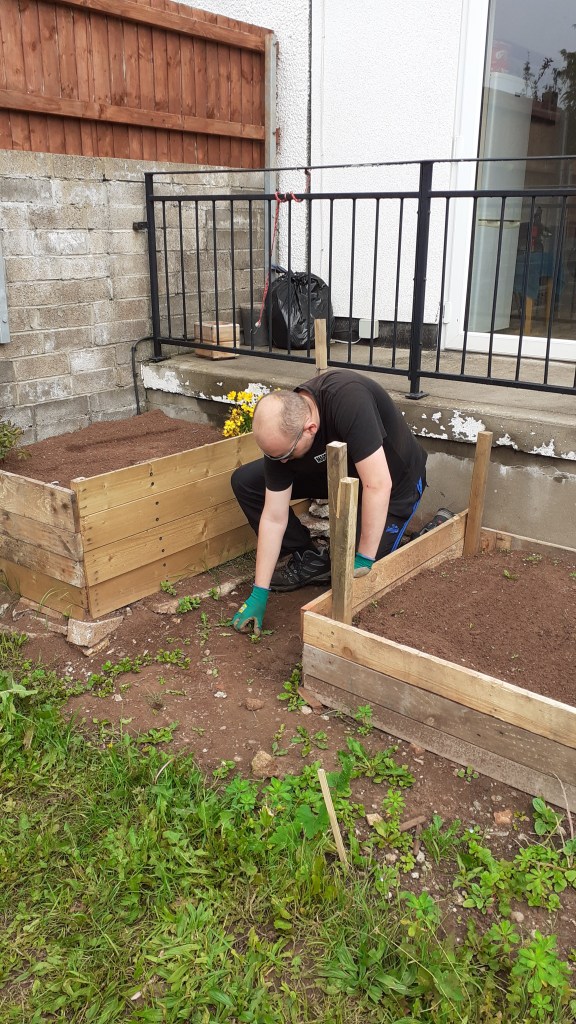
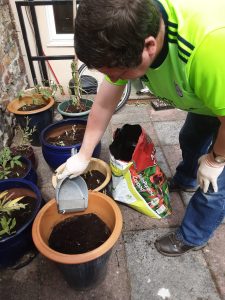
We have been very fortunate to be able to work with two of our participants in their garden in Sully . We started by working on the Nectar Cafe planting nectar rich plants to try and encourage pollinators to the garden and surrounding area. There had been a lack of butterflies, bees and other insects which was a cause for concern for both. Raised beds were built and nectar rich plants such as lavender , buddleia and sunflowers were planted in them.

Vince and Mark on their first day planning the Nectar Cafe

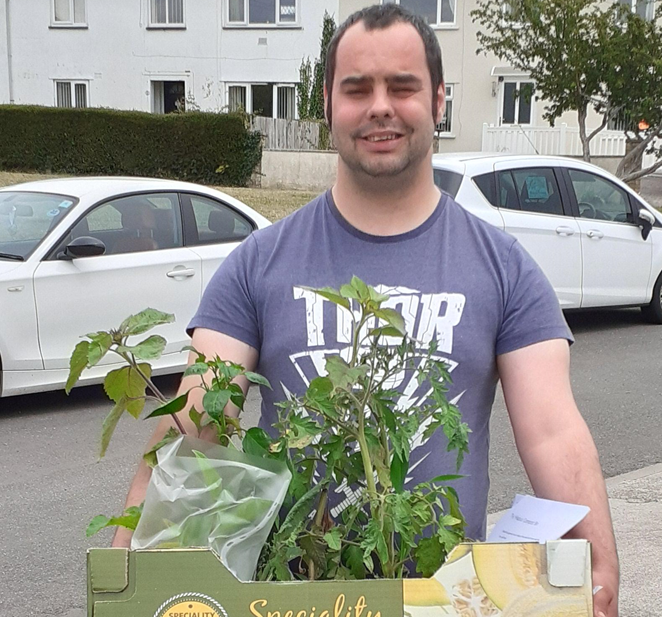
Flowers planted they were conscious that we were running out of time to get some vegetables in and so they planted some tomatoes, chillies , courgettes, sweetcorn , radishes and an aubergine. Some grew very well such as the tomatoes , chillies and radishes , the others not so well but they did have a few baby courgettes and sweetcorn . The aubergind did not survive !

What was great is that both looked after the plants and took great joy in smelling their freshness and taking that first bite out of the fresh tomatoes . This encouraged both to start cooking fresh meals at home.

The work on the compost bin continues as does the building of further raised beds.

Daffodils and some tulips have been planted and the rest will be planted in the next week with the crocuses – flowers that both chose for their colour and for helping the pollinators in the early Spring.

Work still needs to be done on tidying up the lawn , the grass seeds have already been bought.

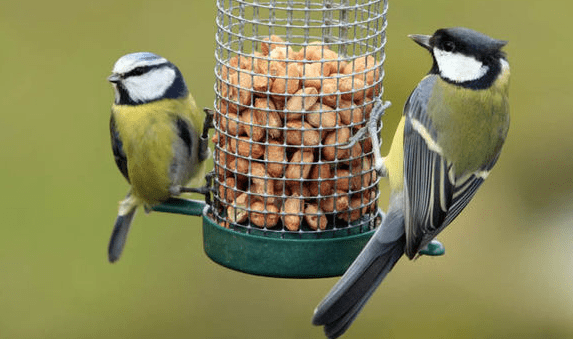
The Nectar cafe will now be followed by the Bird Cafe with a variety of bird feeders being placed around the garden with different nuts, seeds and mealworms. The two will also learn how to make their own feed balls and cakes.

Finally and certainly not least plenty of water will be put out for the birds to drink and bathe.

Who knows by next Spring there could also be a garden pond so that they can learn about pond creatures and all the other insects and dragonflies that will be attracted to their little nature paradise.

Thank you Mark and Vince for all of your hard work so far.

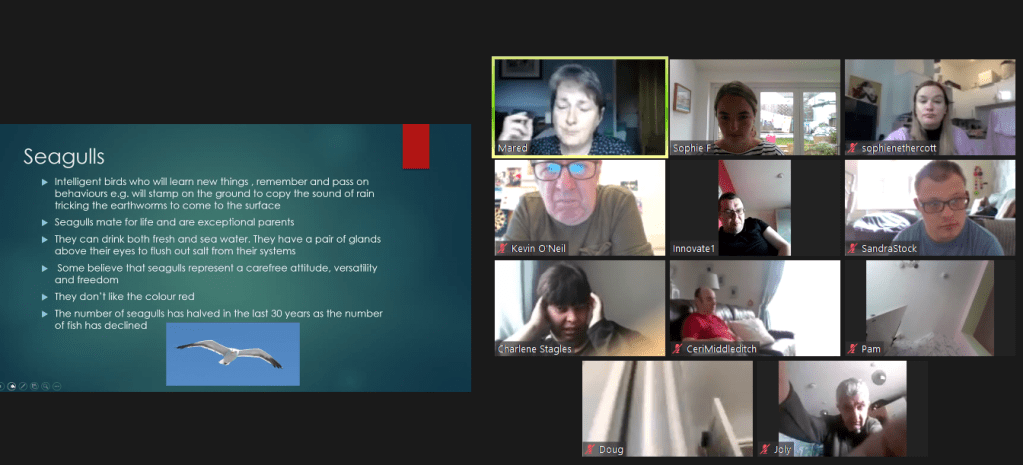
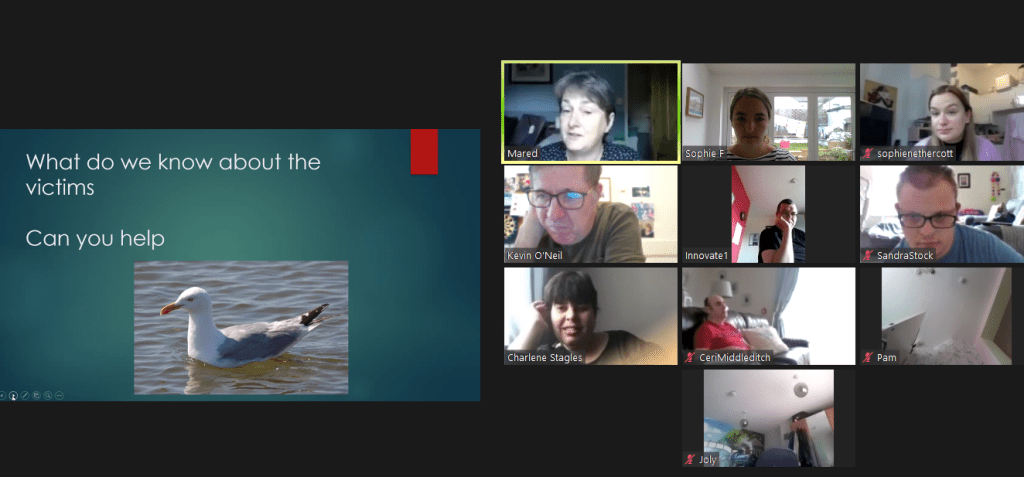
Our zoom sessions continue with a variety of topics from super senses to a further Murder Mystery . On this occasion we wanted to see what our participants knew about seagulls and how they have had to adapt to survive now that their natural habitats have been over fished and polluted. Nobody actually worked out that the perpetrators on this occasion were humans. What we did learn was that nobody were very fond of seagulls at the beginning of the session but by the end most had changed their minds and said that they would like to be able to learn more about them and did now appreciate their beauty when flying high in their natural surroundings. Even our participant who still couldn’t bring herself to like them wanted the perpetrators punished harshly and even asked for some photographs.

Our final session was on bird spotting in our gardens. We were able to discuss in some detail the 12 most common visitors and listen to their beautiful songs. As with Mark and Vince we will be providing bird feeders and food so that our participants can watch the different birds . It will be wonderful to see some photos and to her their stories about new discoveries this Autumn and Winter.

From wildflower meadows to murder mysteries

We’ve had a busy time on zoom this month enjoying each others’ company whilst also learning new things about all of the Nature around us.

Our first session this month was learning about the importance of our green spaces around us for nature and indeed ourselves. We discussed ways in which we could actively take steps to improve our green spaces by making promises to nature . The promises included planting new pollinating plants in our gardens , walking more and using less water and plastics. By the end of the session we all agreed that we needed nature to thrive in order to thrive ourselves and that we should take steps in our daily lives to support nature.

During our next session we visualised our dream meadows and discussed how we could actively take steps to making this a reality . We learnt that for so many of our participants going out for walks and seeing the wild flowers and insects had been a joy during these difficult months . Some had planted their own wildflower seeds and wanted to learn how to look after their own wild garden. It was clear that many appreciated the need to replant meadows. Learning about how plants have been used over the years for medicines and other products was fascinating.

Our Butterfly wings!

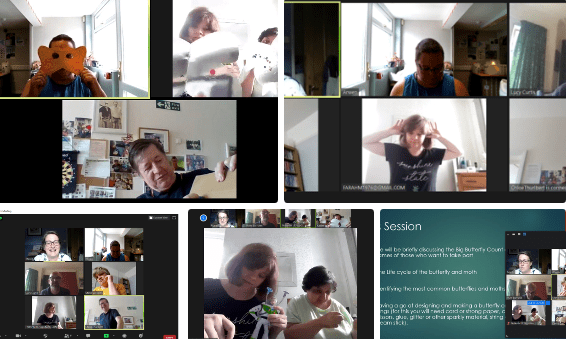
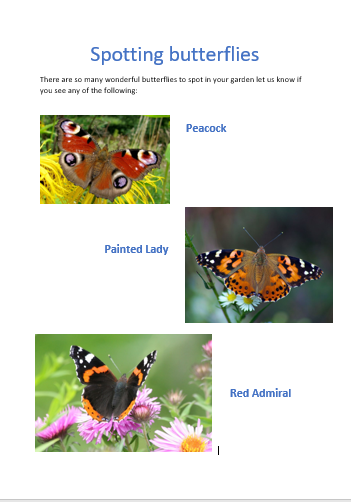
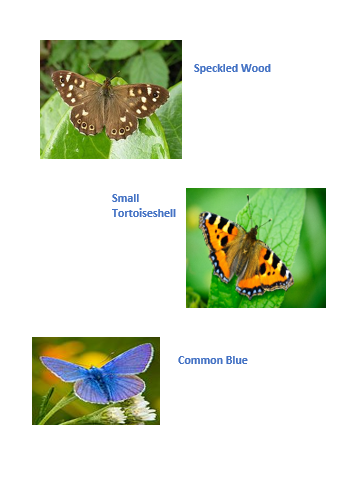
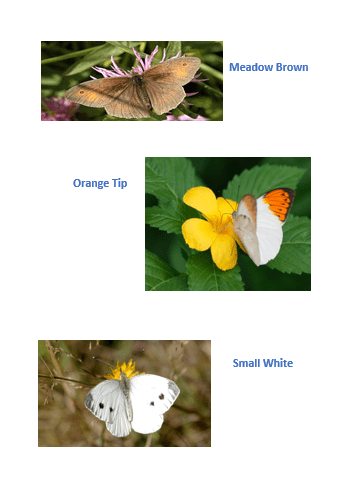
A wonderful session was the one we had to prepare for the Big Butterfly Count . We learnt how to spot and identify butterflies and moths .The ir life cycles and their importance as pollinators .Seventeen of our participants wanted to take part in the count which was wonderful and many indeed had a lovely few weeks outside trying to identify the butterflies they saw . Most said that their favourite was the Peacock although not many were seen!

In addition we had an opportunity to make our own butterfly masks and wings.

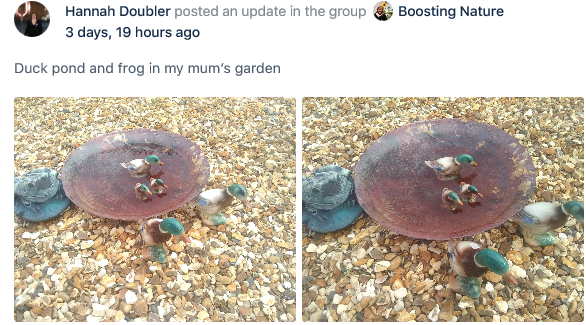
We carried on with the educational theme by discussing Water and how it is the most important resource that we have. We also had a practical session on how to build a mini pond and discussed what creatures we could expect to see in and around the pond however small.
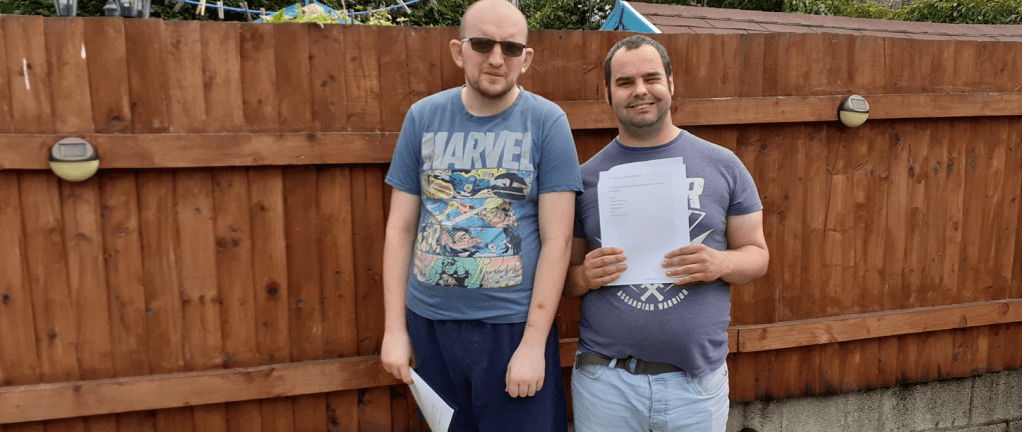
Hannah was inspired to create a pond

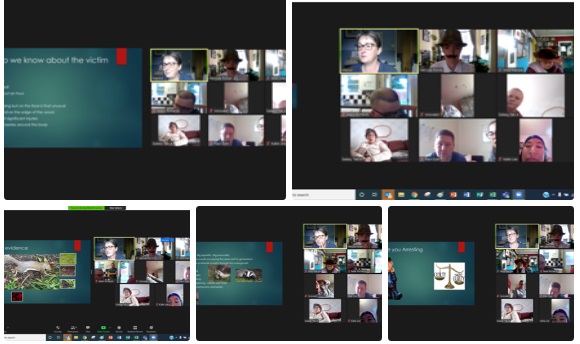
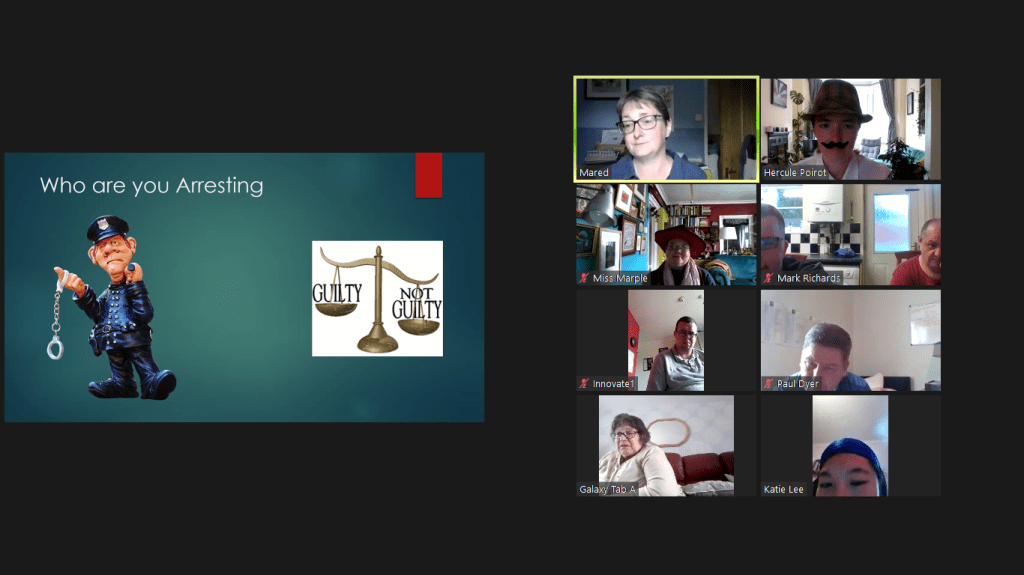
Finally we asked our participants to become detectives and solve a woodland themed murder mystery. This was great fun but also an opportunity to learn about woodlands , animal habits and habitats. We found out that many had a wonderful knowledge about wild animals. Many were brilliant at being able to examine the evidence presented and reach a conclusion about guilt or otherwise based on the what they had observed and what they had learnt. Importantly we all had fun!

Having to make a decision

Enjoying Nature

Despite remaining in lockdown we have continued to undertake and enjoy activities which have helped us to better understand nature and how we react to it . We have all noticed how much cleaner the air is , how much louder the bird song is and how many more butterflies are visiting our gardens . Many who had not shown much interest in gardening have taken up this wonderful hobby and have been surprised how quickly they have been drawn into the wonders of planting some vegetables and flowers and seeing them grow.

Some of our participants and tenants are busy planning and creating Nectar Cafes in their gardens to encourage more and more pollinators to visit . One garden in particular in Sully had a blank canvas and have already been planting lavender , buddleia and sunflowers in addition to tomatoes , beans , courgettes and aubergine . They have also started building their compost bin from scratch using some old pallets. Being active young individuals they have found lock down particularly difficult but by creating a garden of their own this has given them a reason to go out , albeit only to the garden , and enjoy physical activity but also at times being able to take time out and just enjoy the smells and sounds around them.

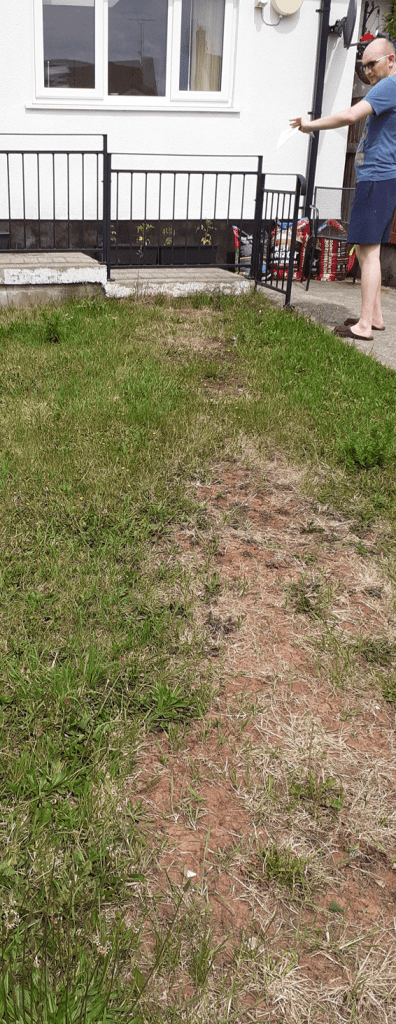
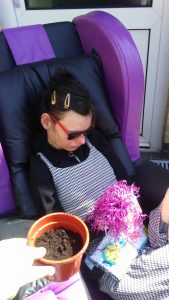
The bare soil where the Nectar Café will go

Some have been encouraged to build bird feeders from recycled plastic bottles.

We have also embraced our zoom meetings having held a nature quiz and an insect week getting to know all about the insects around us . Some participants at the beginning of the session said that they were scared of insects and that they were only pests but by the end had a better understanding of why they are so essential to human life.

This week we will be discussing our favourite spots in Cardiff , the Vale and RCT, explaining why green spaces are important to us , their incredible value to our well being and what differences we have seen during this lock down. Porthkerry Park was voted the favourite by our participants and tenants.

We will also be making our promises for nature and explaining why we need nature to thrive. Nature brings us food , shelter , water and warmth . Nature needs our support . From saving bees to cleaning our oceans.

We have realised that we feel better when we see , hear , smell and experience nature – from walks in local parks to simply seeing the variety of colours that our trees and flowers bring us .

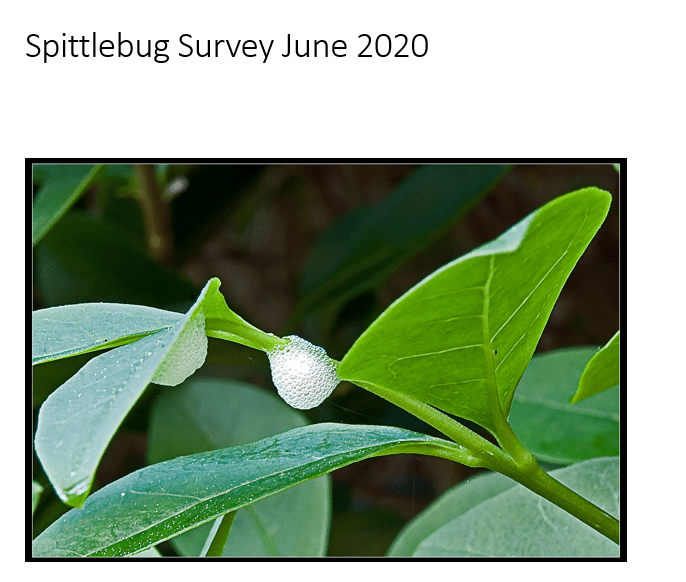
Finally we took part in the Spittle bug or cuckoo spit survey with the most seen on lavender and rose bushes first thing in the morning.

Growing seeds to help our pollinators.

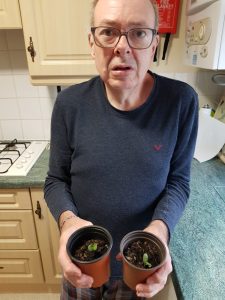
Despite lockdown Boosting Nature has continued to be busy , in particular , encouraging and helping 39 individuals to grow beanstalks and sunflowers at home. Our participants got to watch a video explaining how to grow these seeds and also were each sent seeds and a how to guide . As a result every 39 who requested the seeds have now potted their seeds and some have even started re potting in larger pots.

We hope to attract butterflies and bees into the gardens and after they have flowered we hope that everybody will have nice beans to eat and that the birds will also be able to feast for months to come on the sunflower seeds .

Gareth showing the seeds which have started to sprout
Jenny after planting the seeds
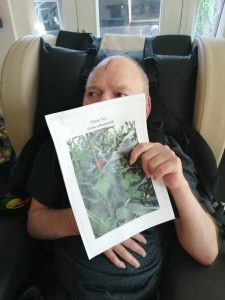
Kevin having a look at the How to Grow beanstalks guide
Paul planting his seeds

We have also ran a nature photography competition . Fourteen entered the competition The task was to take a photograph of a bird , butterfly or an animal that they had seen in their garden or out on their trips. A great variety of photographs were entered. The eventual winner was chosen by our tenants and by McCann and Partners who have chosen Innovate Trust as their charity of the year.

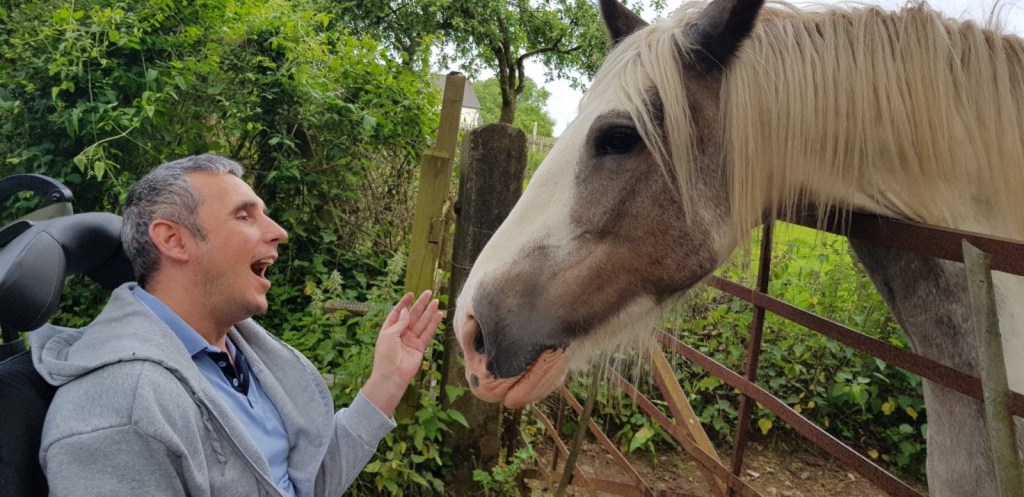
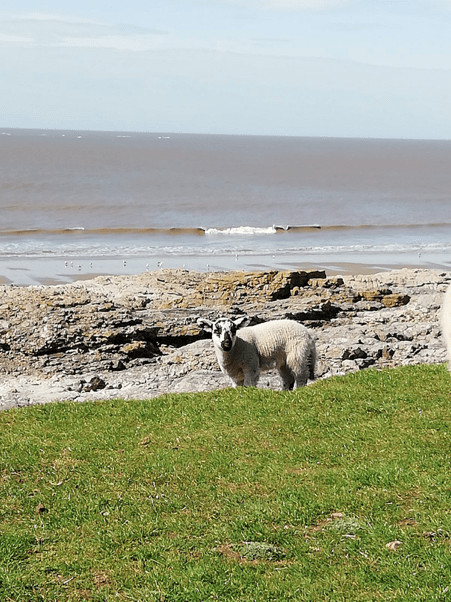
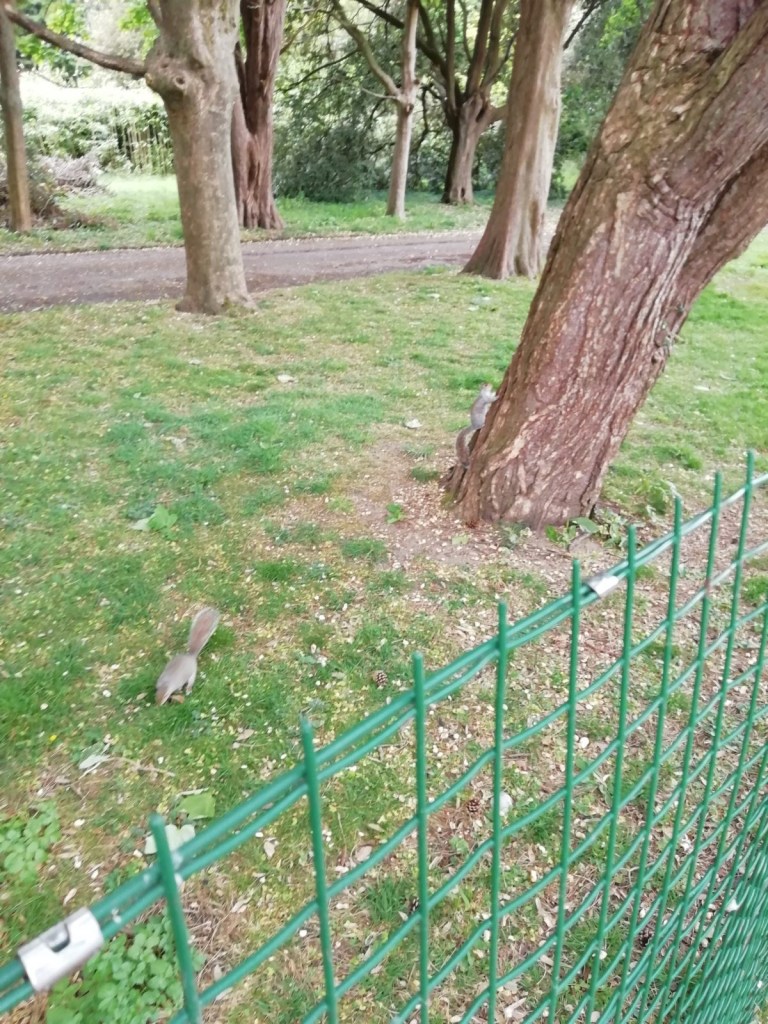
The winner was Joe Byrne and the joint runners up Oliver Johnson , Martin Charles and Simon Richards with the following photographs.

Joe and his winning photograph.
Martin’s lamb
Oliver’s photos of squirrels playing
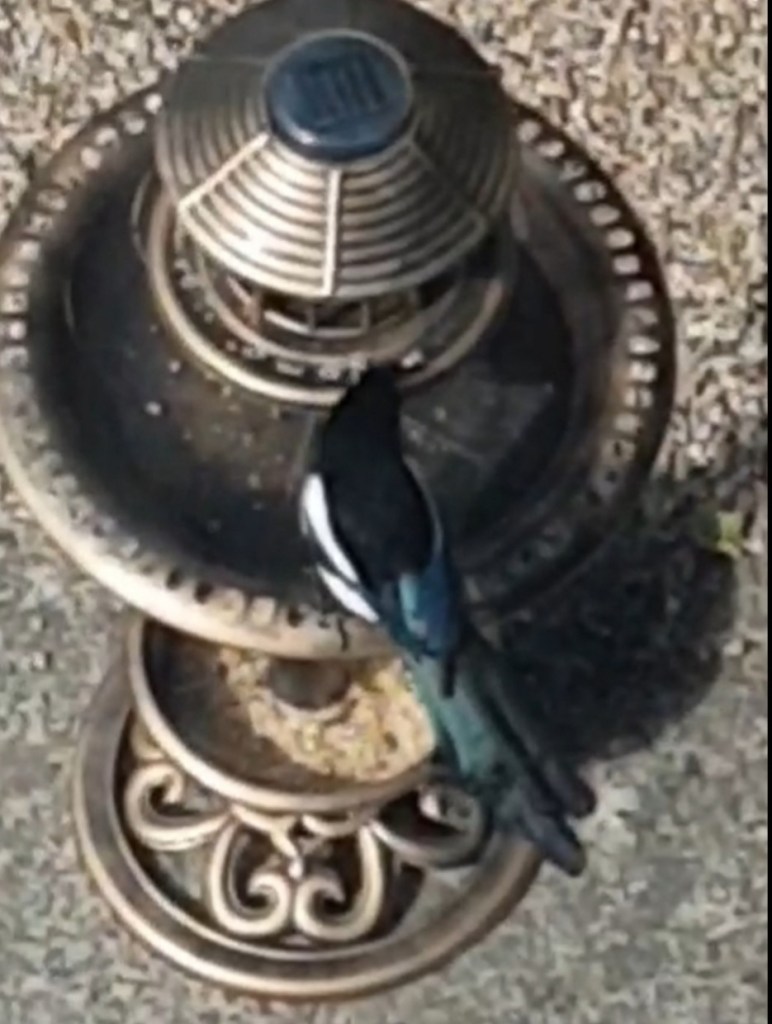
Simon’s magpie drinking from the new water feature.

All competitors will be sent further “Did you know ” factsheets about horses, magpies , squirrels and sheep concentrating , for example , horses have been used to help create environmentally friendly mini- meadows in London and have helped the Woodland Trust in Wales extract logs from difficult to access areas causing very little damage to the ground and to flora . Without sheep our grasslands and uplands would become overgrown with scrub and coarse vegetation becoming less valuable to many types of plants, small mammals and ground nesting birds.

This week our participants have been encouraged to find as many butterflies as possible and to learn about these wonderful and colourful pollinators.

Our shared love of nature and the environment continues. Without doubt having the chance to listen to the birds in the trees , the bees collecting nectar from the flowers and feeling the sun on our skin makes us grateful of what we have around us and what we can continue to enjoy even during these difficult days.

The Calm Quiet Strength of a Tree.

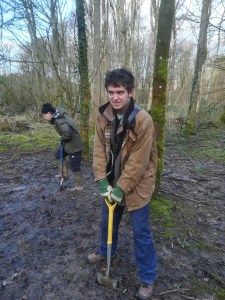
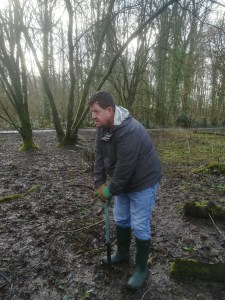
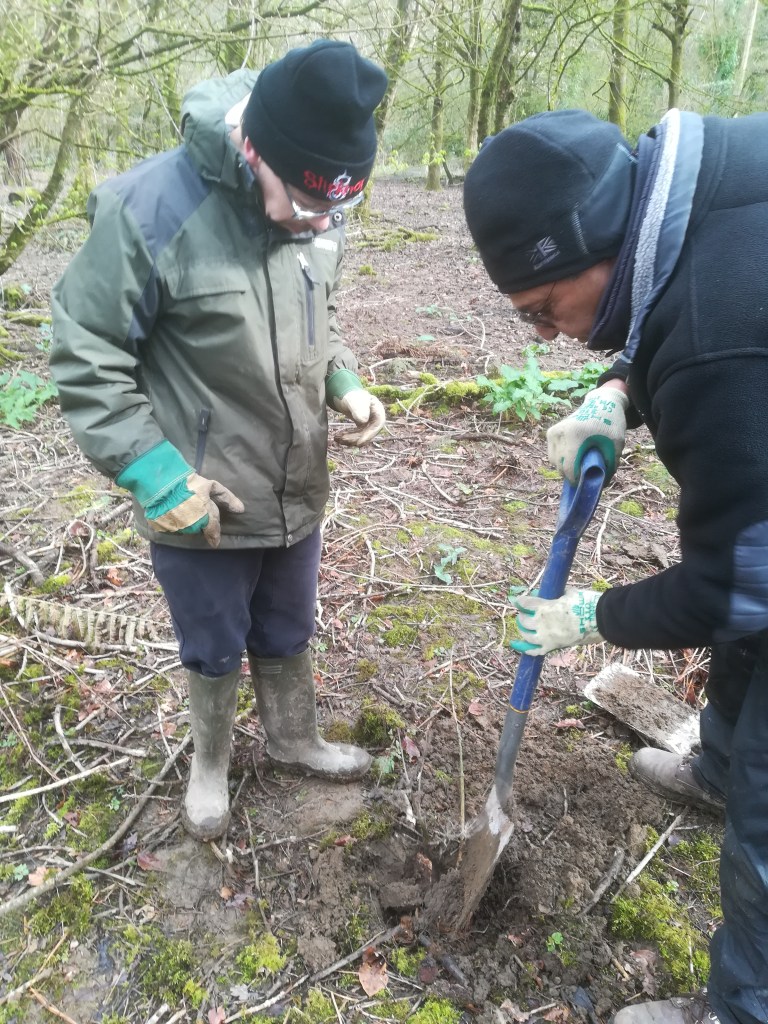
We have been lucky enough this month to plant some young sapling trees in two locations at Forest Farm. The trees we have planted are oak, hazel, maple, beech and willow . Planting small saplings has been proven to establish more successfully. By planting UK sourced and grown we ensure that we have fully traceable trees right back to seed , reducing the risk of spreading tree disease.

What did we learn?

The beech tree is great for wildlife but did you know that ground beech nuts are sometimes used as a coffee substitute?

Did you know that the hazel is so bendy in Spring that it can be tied in a knot without breaking?

But , most importantly bearing in mind the three storms we have this month these trees provide shelter, prevent soil erosion and reduce the risk of flooding

We also took part in the Great Backyard Bird Count which is a global event where tens of thousands of birders submit their observations to understand where and when birds occur around the world. Researches download the data and their scientific findings are used to make more informed conservation decisions.

We spotted many a sparrow , robins , blue tits , great tits ,wood pigeons, cormorant , blackbirds and a sparrow hawk.

As a result of taking part we now have twitter followers in Michigan and Chicago.

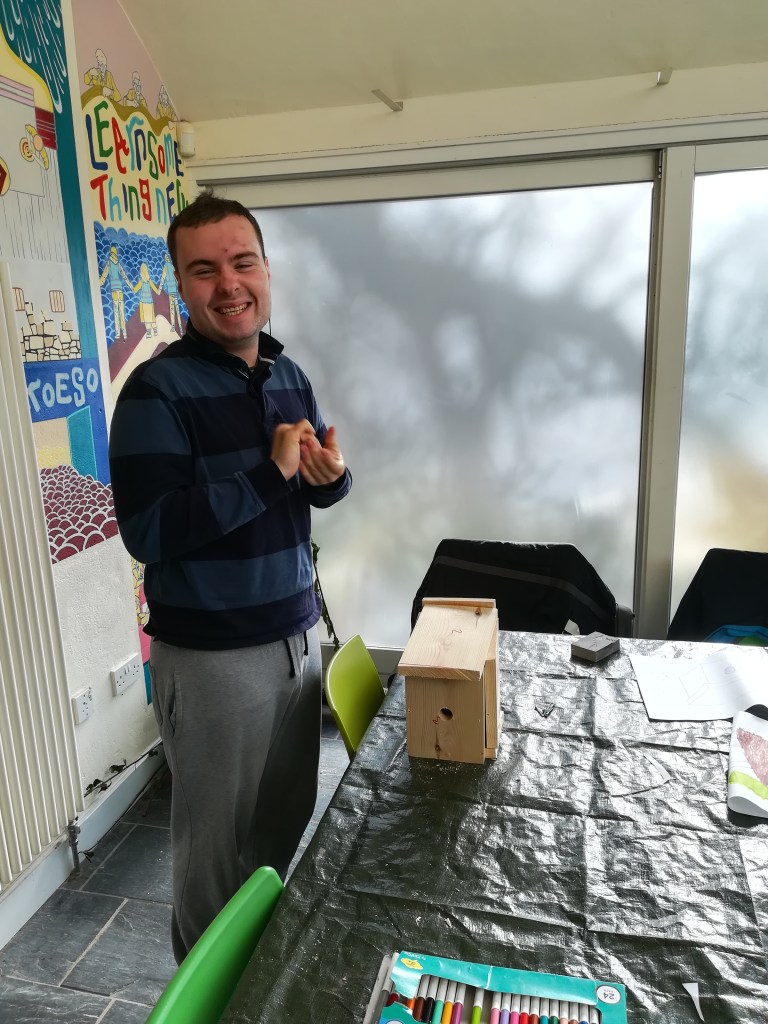
We have also built some nest boxes for tits and robins to go up in St Fagans and also in the participants own gardens. We also learnt why birds nest at this time of the year , why certain locations are chosen , the materials used and the difference in the nesting habits of city and country dwellers.

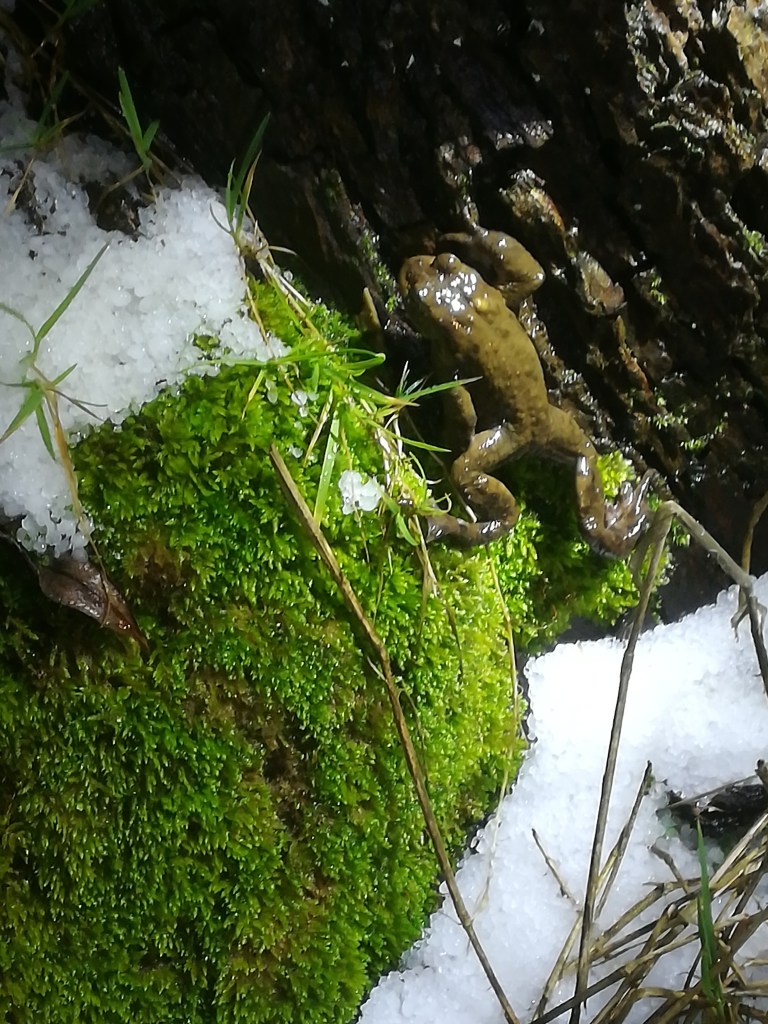
We had a lovely cold night at Porthkerry Park counting the toads, a solitary frog and a heavily pregnant newt.

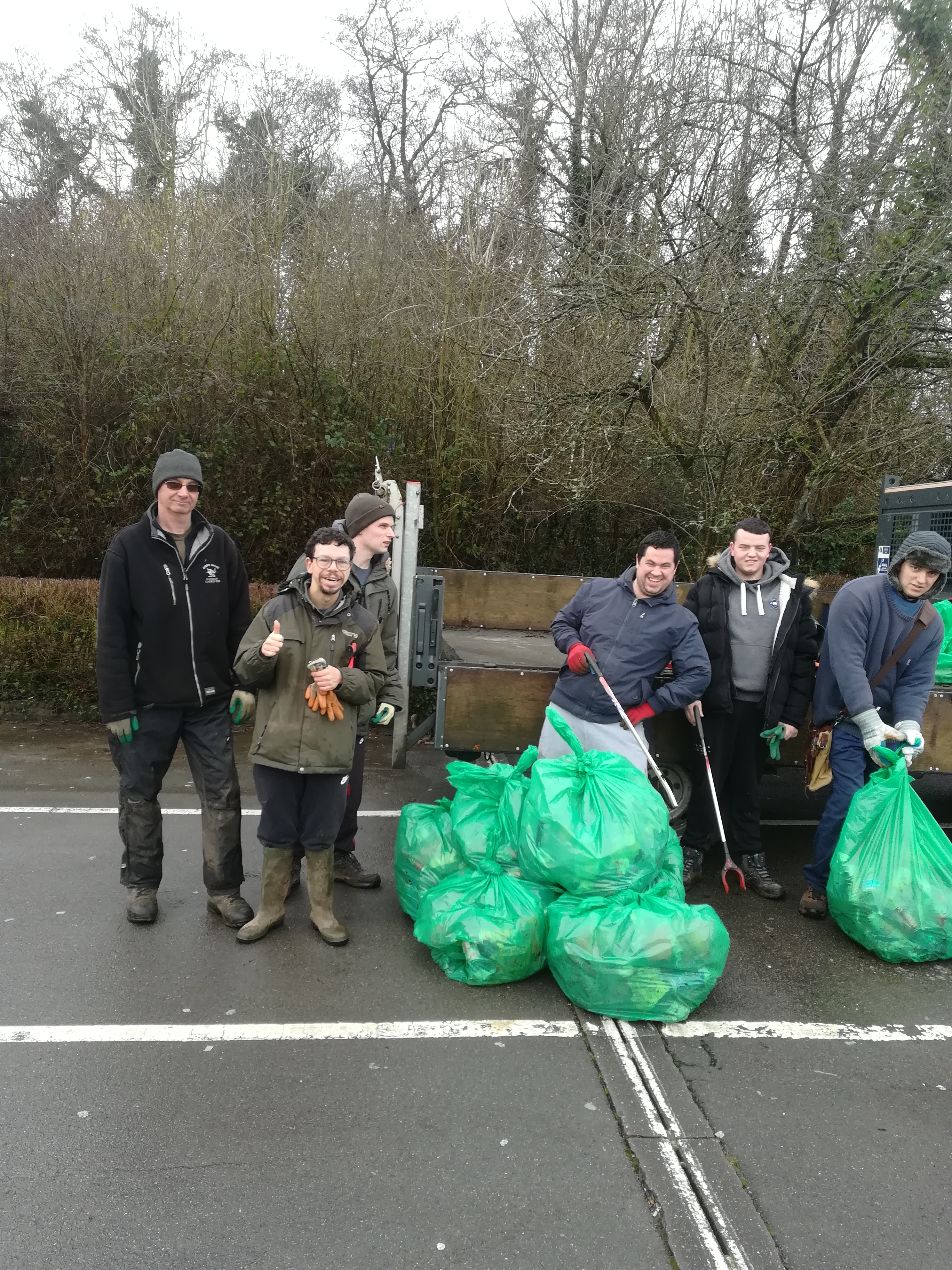
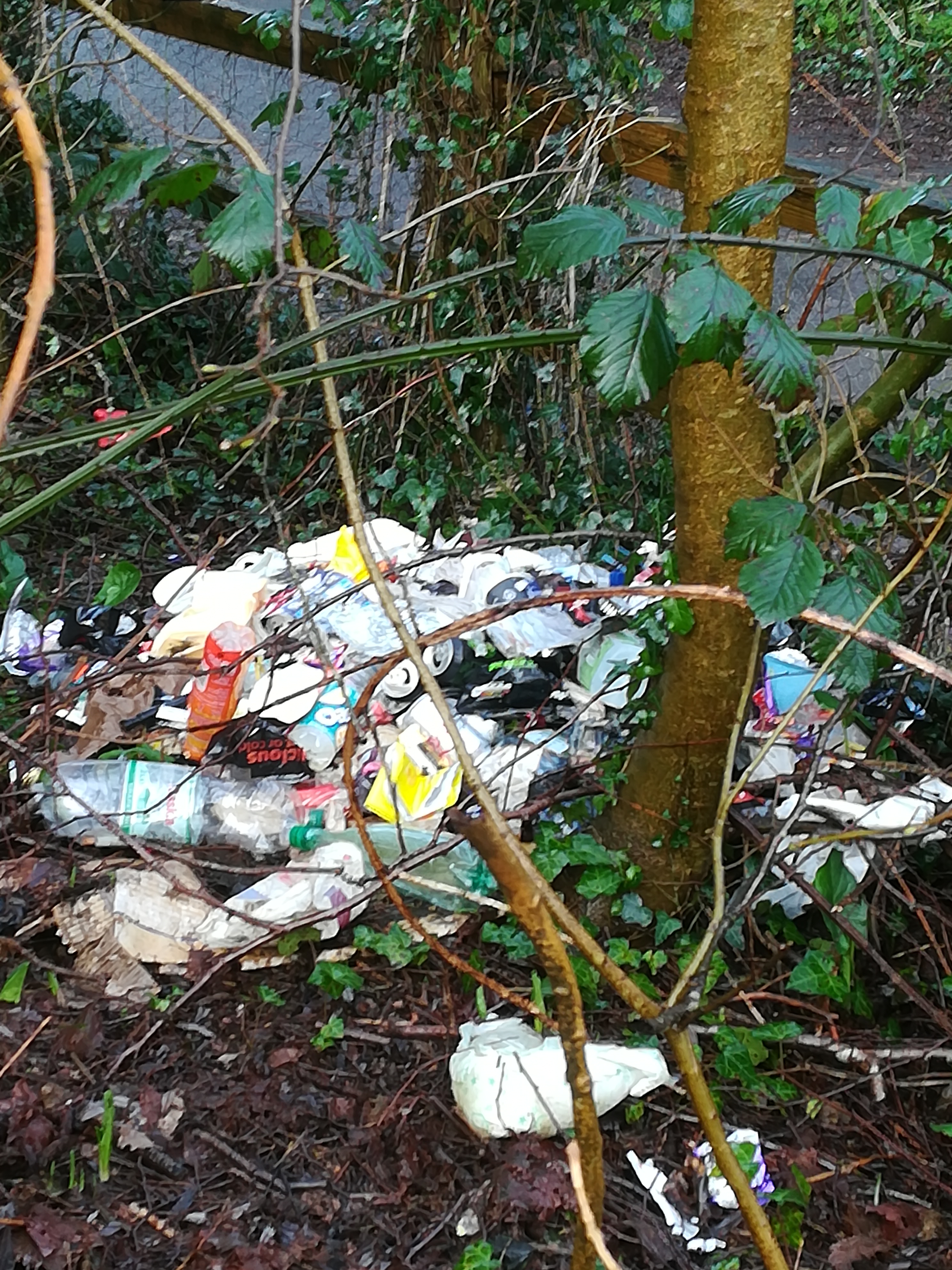
More litter picking this time at Llanishen Park , Ferry Road and Howardian with 12 bags collected in total. We were all shocked indeed to see the full extent of the problem on Ferry Road and all agreed that it could easily take a full day or so to clear this site alone.
This coming month we will re wilding the old golf course area at Porthkerry Park and restoring some pathways at Forest Farm and tree caring at Cosmeston amongst other work.

Our first month.

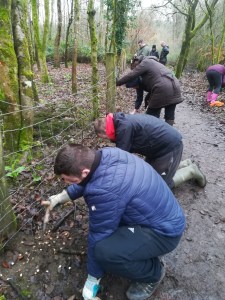
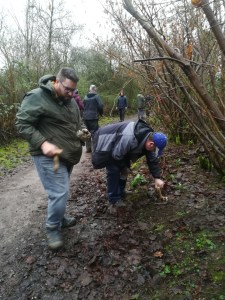
We are pleased to report that despite all of the wind and rain that we have encountered this month that we were able to visit seven different sites in Cardiff undertaking a variety of work restoring and maintaining natural habitats , litter picking , removal of non- native plants , planting snow drops and creating a natural habitat amongst other things.

We were fortunate to visit 8 different parks/ nature reserves and hope that our efforts will slowly make an impact on these and on the communities that they serve.

We litter picked at three locations namely Cath Cobb Woods ,St Mellons, Grangemoor and Howardian Nature Reserve. In all we collected 16 full bags of litter.

Any litter removed from a natural eco system helps wildlife and creates a better space for humans too. It is not just marine mammals who suffer from litter but also mammals such as hedgehogs and birds wo frequently suffer injuries as a result of getting caught up in waste.

Our participants were horrified to see how much litter was picked , especially when half empty bins were available often no more than a few feet from where the rubbish had been deposited.Many have said that this has inspired them to reduce their reliance on single use plastics and to spread the word.

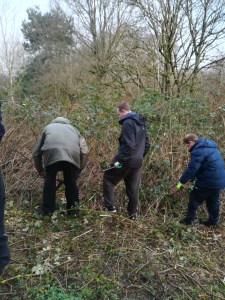
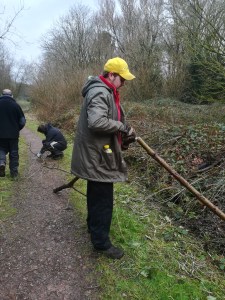
We have been cutting back blackberry bushes that have encroached onto the pathways and which have made it difficult for walkers to have access to the park/ nature reserve. It is important however to leave the blackberries alone if not encroaching as in Spring nightingales, robins, wrens, thrushes, warblers, finches and long tailed tits will nest amongst its safe haven brambles which will offer protection from predators.

To encourage wildlife diversity bramble should be managed on a rotation basis by cutting back 1/3rd in any year to achieve a habitat mosaic. Long tailed tits prefer to nest in old growth whilst mice seek new growth along the edge of the path.

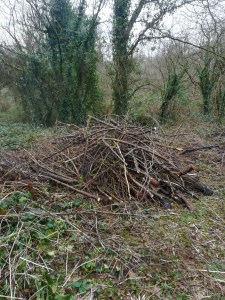
We have also sown trees and branches to create natural habitats and sown snowdrops for next Spring to encourage pollinators.

Some invasive non native Laurel has been removed as this should be eradicated from our woodlans.

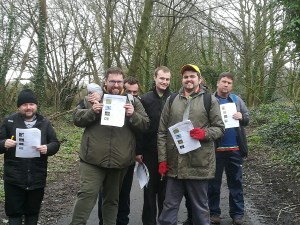
Finally this next month sees us starting our one off events in addition to our regular Monday and Friday groups , these will include a Tree Care session at Cosmeston on 18/02/20 between 10-12.30 , a build your own nest box at St Fagans on the 20/02/20 10.30-1pm and Counting Frogs at Porthkerry on the 25/02/20 from 6.30 pm , come and join us if you wish but please contact us first boostingnature@innovate-trust.org.uk

Design a site like this with WordPress.com
Get started